-
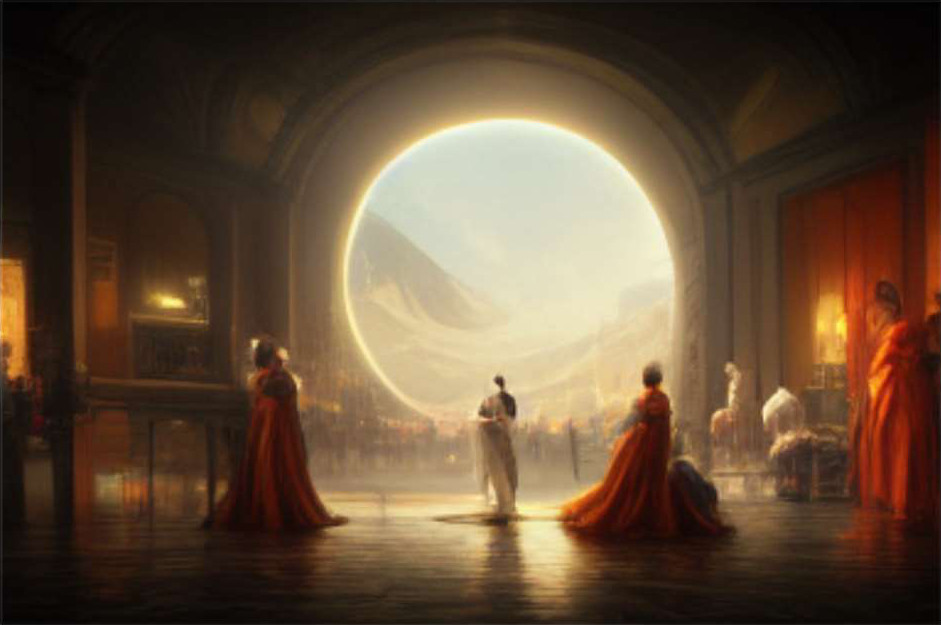
Jason Allen v. Shira Perlmutter complaint. Seeks declaration AI-prompted Théâtre D’opéra Spatial is work of authorship
Read more: Jason Allen v. Shira Perlmutter complaint. Seeks declaration AI-prompted Théâtre D’opéra Spatial is work of authorshipWe finally have a lawsuit challenging the U.S. Copyright Office’s misguided approach denying authorship in AI-generated works under the obscure requirement of “traditional elements of authorship,” a term that no federal court has ever used in a copyright decision. Jason Allen, whose initial version of the work Théâtre D’opéra Spatial (on the left) was denied…
-
The Copyright Office’s AI Guidance likely violated Administrative Procedure Act by failing to hold notice & comment period
Read more: The Copyright Office’s AI Guidance likely violated Administrative Procedure Act by failing to hold notice & comment periodThe Code Red for Copyright Law is now out. This short essay explains why the Copyright Office’s AI Guidance is wrong. 1. It likely violated the Administrative Procedure Act (APA) by imposing a new substantive rule of “traditional elements of authorship” without notice and comment. 2. It is contrary to the Progress Clause’s approach to…
-
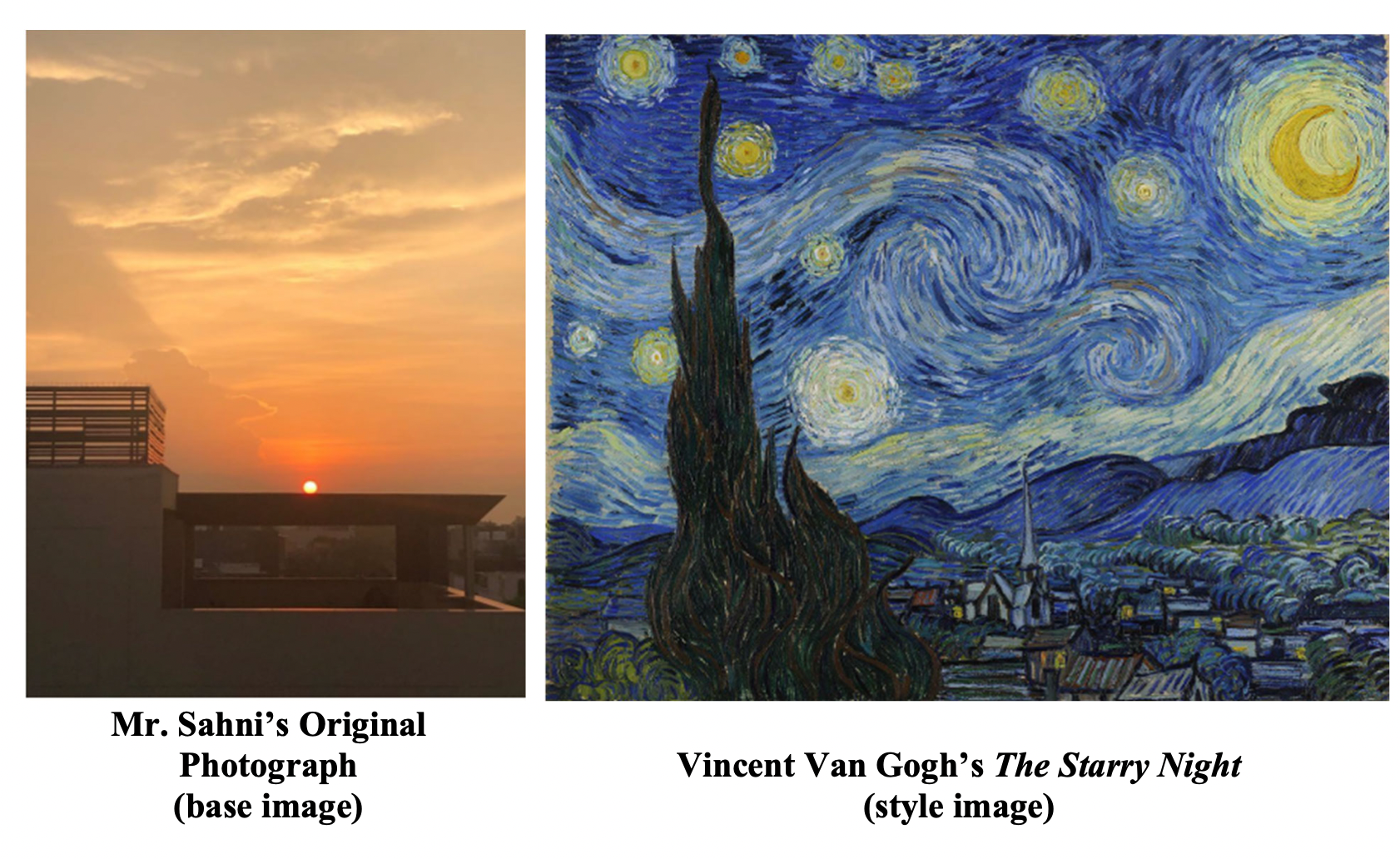
Copyright Office denies copyright to AI stylized work based on photograph by Anki Sahni
Read more: Copyright Office denies copyright to AI stylized work based on photograph by Anki SahniOn Dec. 11, 2024, the U.S. Copyright Office published its decision denying the copyright ability, for lack of human authorship, a work titled Suryast that Anki Sahni stylized using the RAGHAV Artificial Intelligence Painting App. The rejection of copyright follows the Office’s rejections of copyright to AI prompt-engineered visual works by Jason Allen and Kristina…
-

The Copyright Office’s approach to AI is wrong. Here’s why.
Read more: The Copyright Office’s approach to AI is wrong. Here’s why.At long last, I have posted a preprint draft of my article Prompting Progress: Authorship in the Age of AI, 76 Fla. L. Rev. (forthcoming 2024). You can download it from SSRN: https://papers.ssrn.com/sol3/papers.cfm?abstract_id=4609687 The Article explains why the Copyright Office’s recent guidance and position denying the copyrightability of AI generated works is wrong. It follows…
-

Copyright Office denies Jason Allen was author of Theatre D’Opera image, prompt engineered on Midjourney (PDF download)
Read more: Copyright Office denies Jason Allen was author of Theatre D’Opera image, prompt engineered on Midjourney (PDF download)The U.S. Copyright published a second decision rejecting the registration of an image prompt-engineered on Midjourney. The first decision involved Kristina Kashtanova’s images in her graphic novel Zarya of the Dawn; the Office ruled that the images lacked human authorship or the “traditional elements of authorship,” despite Kashtanova’s development, through hundreds of prompts, of a…